Everything counts
Five years ago I found myself asked to think deeply about questions I hadn’t thought much about before: how do you assess someone’s ability? How do you decide, or better yet build deep conviction that an individual can deliver on something?
This was a new topic for me. I had just been asked to join the people team, and it became the key question that I grappled with. My first course of action was to get up to speed on how the industry thought about it. I found some good ideas, and, of course, plenty of bad ones.
One bad idea that was surprisingly popular: do not consider all the signals you can get to make an assessment.
At the face of it this may sound like an obviously bad idea. Does anyone agree with it? But if you consider the ways a corporate recruiting process actively avoids capturing signal on candidates, in favor of the neat readouts you can get from “formal” interview processes, I think you’ll see what I mean [1].
A few examples… How do you factor a referral from a credible member of the team? Input from someone who has spent hundreds of hours in the trenches with the candidate is compared to input from a someone who spent 27 minutes on Zoom. Which one is weighed more heavily?
If you’re looking for someone with high agency, do you look for evidence of them exercising this trait in how they contacted you, or do you ask them to tell a story about it?
How do you reconcile someone who says they really like to move quickly, but took three business days to respond to emails while interviewing?
Tyler Cowen and Daniel Gross’ book Talent is one of the few great books on interview and they take it a step further: they argue that you should create the circumstances to generate these signals. You can bring a candidate to lunch and observe them. Do they build rapport with the staff, or are they rude and demanding? Actually observing this will tell you more about their ability to build relationships than whatever story they tell you in an air-conditioned conference room. Words are cheaper than actions — yet the best practice espoused by so many is to only consider words!
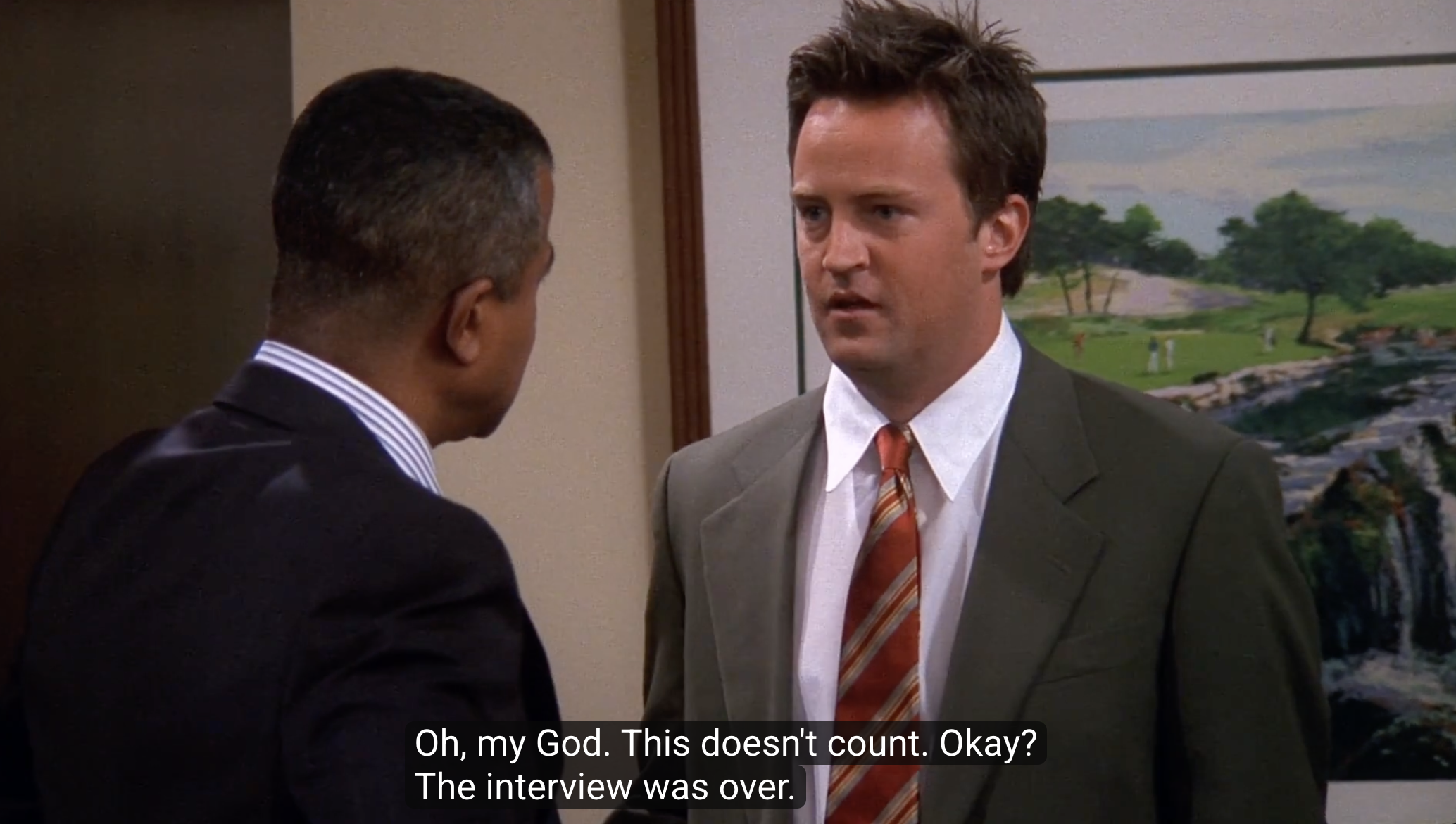
Why is this idea not widespread among interviewers? I think it’s because of fear of bias. How can you ensure all candidates are presented with the opportunity to show that they, too, have high agency, if only given the opportunity to showcase it? This concern comes from a good place but is, in my opinion, naive about the challenge of spotting and selecting talent. Hiring is an incredibly difficult game, even if you consider all signals. Ignoring the rich data points outside of interviews means you are playing with a hand behind your back, and will make it harder to select the right person.
The idea is relevant for anyone assessing people, but I’ve found it just as helpful for those being assessed. If you are the candidate, how can you use every interaction, not just formal interviews, to help the interviewer get the highest resolution image of you? You have tons of opportunities to create that image, but most people don’t think of them that way. Can you use those interactions to prove, beyond a reasonable doubt, that you will respond to the customer quickly, that you will build a genuine relationship with customers, or that you will help lift up the people around you? Everything you say can and will be used against you to help determine how you’ll do in the role [2]. This line of thinking can feel burdensome – do I really have to think about how I show up in every interaction? But my optimistic take is that you actually have even more shots on goal to prove yourself, rather than being constrained to the six canned questions the interviewer had prepped.
It’s incredibly difficult to make accurate judgments of how a person will do in a role. The “best practice” of ignoring all rich signals at your disposal makes this both more challenging and, in my opinion, less fun. I hope that some of these ideas can give you the confidence to reject this dogma when assessing people, and to make the most of every interaction when you’re the one being assessed.
Footnotes
1: I don’t consider technical assessments “interviews” in this context. Interviews are polite interrogations where the candidate describes themselves and their work. Most offensively, the questions are entirely pre-written and asked in the exact same way regardless of the individual or the interview thus far.
2: the wrong takeaway from this is that you should show up in every interaction as a stiff and nervous candidate. If anything, I’d argue to do the opposite.